
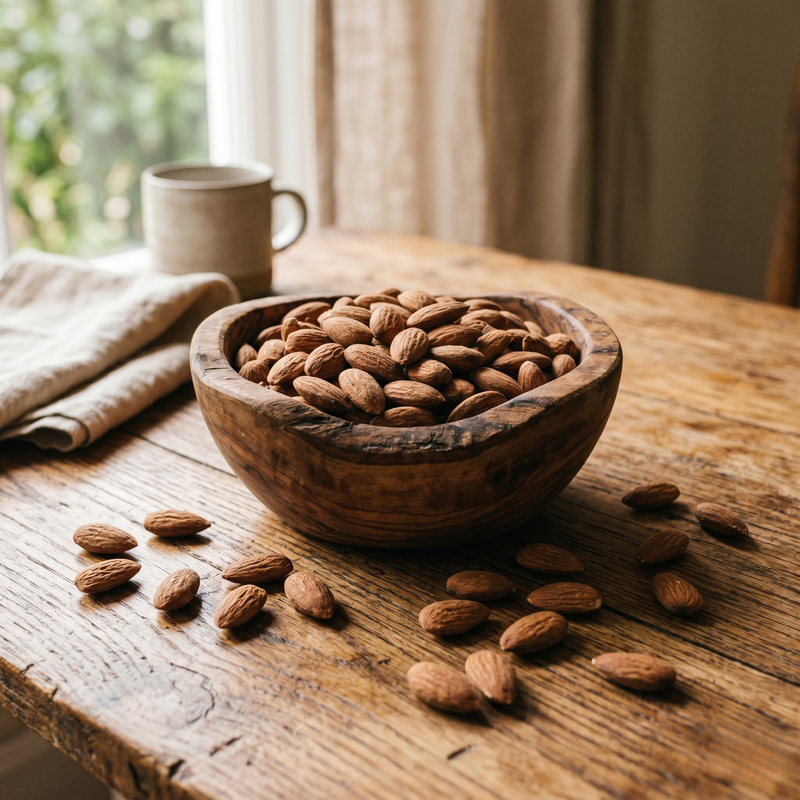
Almonds
The Ancient Traveler
Did you know that almonds were among the first foods intentionally carried by ancient travellers?
For thousands of years, almonds have travelled wherever humans travelled. They survived long journeys, nourished traders along the Silk Road, accompanied explorers, and fed communities through seasons of scarcity. Their durability, nutritional density, and natural shelf life made them one of the most practical foods ever cultivated. The almond's story is ultimately one of dependability — a food that delivered consistent nourishment across changing civilizations, geographies, and generations.
Some foods become popular because they taste good.
Others earn their place in history because they solve a problem.
Almonds did both.
For thousands of years, almonds were among the most practical foods available to people on the move. Merchants, soldiers, pilgrims, and explorers carried them because they were lightweight, nourishing, and naturally resistant to spoilage. Along ancient trade routes, almonds helped fuel some of the most significant journeys in human history.
Yet almonds were also prized in royal courts, sacred ceremonies, and festive celebrations. They appeared in the tombs of Egyptian pharaohs, in the recipes of medieval European kitchens, and in the sweets of Indian festivals. Few foods have moved so effortlessly between the practical and the prestigious.
Today, almonds are one of the world's most researched, most consumed, and most celebrated nuts. Their story spans continents and millennia — a quiet testament to what happens when a food truly earns its place in human life.
Discover Fascinating Facts About Almonds
Did you know that almonds have been cultivated for more than 4,000 years?
Did you know that almonds travelled the ancient Silk Road?
Did you know that almonds were discovered in King Tutankhamun's tomb?
Did you know that almonds are actually seeds, not true nuts?
Did you know that almonds naturally contain Vitamin E?
Did you know that magnesium contributes to more than 300 processes in the human body?
Did you know that almond trees are among the earliest trees to bloom each year?
Did you know that almond trees depend heavily on pollinators?
Did you know that almonds have a built-in travel case?
Did you know that not all almonds are sweet?
Did you know that almond blossoms are celebrated in many parts of the world?
Did you know that almonds helped shape global trade routes?
Did you know that almonds became a symbol of prosperity in many cultures?
Did you know that almonds have a special place in Indian food culture?
Did you know that almond milk is much older than most people realize?
Did you know that marzipan owes its existence to almonds?
Did you know that California produces most of the world's almonds?
Did you know that almonds naturally provide plant-based protein?
Did you know that almonds are one of the world's most researched foods?
Did you know what almonds are called in different Indian languages?
Few foods have travelled as far, lasted as long, or earned humanity's trust as completely as almonds. From ancient trade routes and royal tombs to modern kitchens and wellness conversations, almonds have remained a constant presence across thousands of years of human history.
Their journey is a reminder that the most enduring foods are those that solve real problems — providing nourishment, durability, and flavour in equal measure. The almond didn't survive millennia because it was fashionable. It survived because it was genuinely useful, genuinely nourishing, and genuinely remarkable.
More than a nut, the almond is a symbol of how food and human civilization have always moved together — each shaping the other across centuries of shared history.
Inspired by what you've discovered?
Explore Nut Story Almonds & Related Products
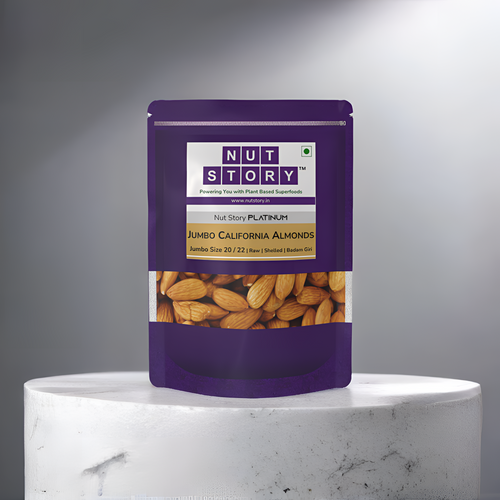
Almonds
Nut Story Platinum Jumbo California Almonds - 20/22 Grade (The "King Almond" Original)
₹ 499.00 ₹ 449.003 options
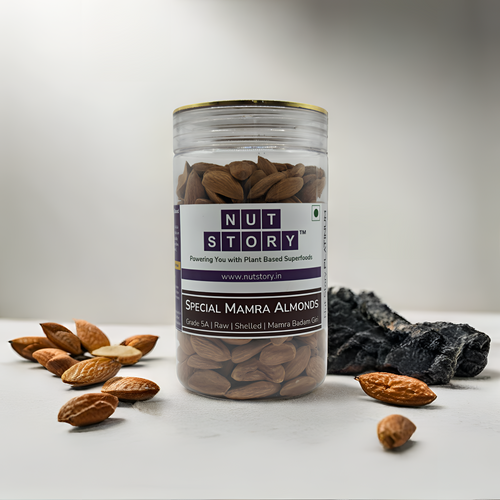
Almonds
Nut Story Platinum Mamra Almonds | 5A Grade Iranian | The Oil-Rich Ancient Nut
₹ 1,499.00 ₹ 1,399.002 options

Almonds
Nut Story Gold Big California Almonds | 🥇 22/24 Grade | Bold Selected Kernels
₹ 429.00 ₹ 399.003 options
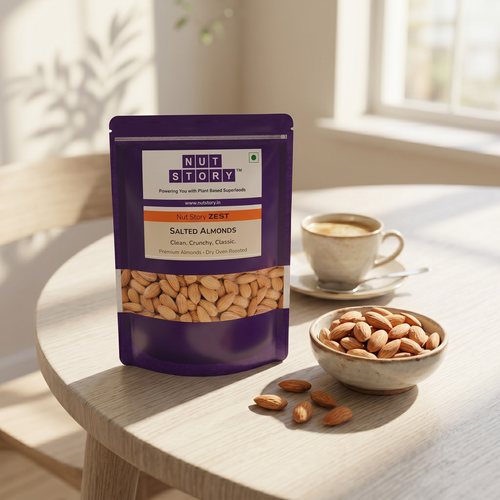
Almonds
Nut Story Zest Salted Almonds | 🧂 California | Oil-Free Dry Roasted
₹ 519.00 ₹ 499.003 options
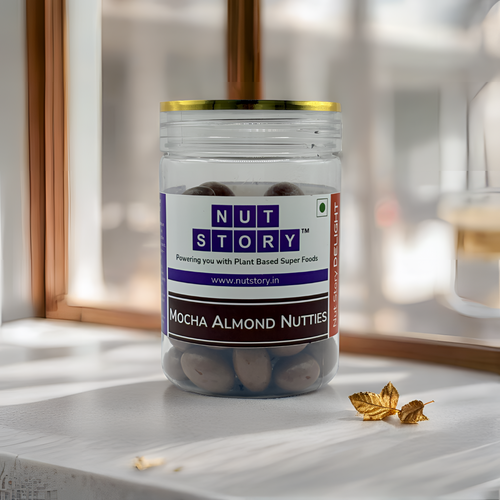
Chocolate Coated Almonds
Nut Story Delight Mocha Almond Nutties | ☕ Chocolate-Enrobed Roasted Almonds
₹ 499.00 ₹ 449.002 options
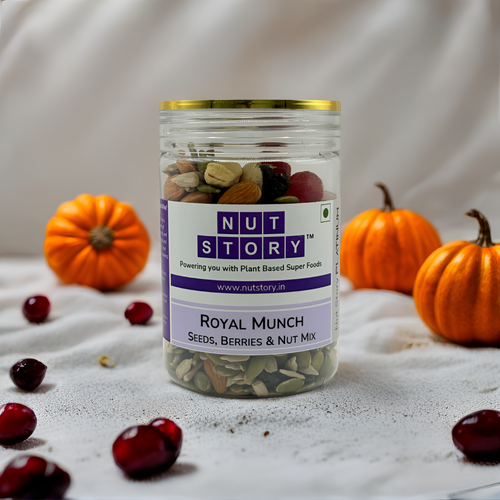
Trail Mix
Nut Story Royal Munch | 👑 Seeds, Berries & Nut Mix | Platinum Trail Mix
₹ 499.00 ₹ 449.002 options
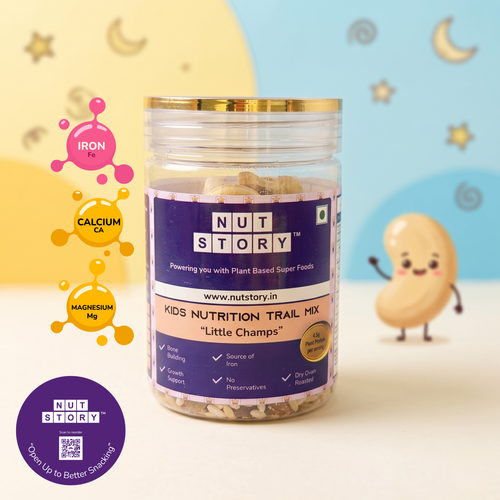
Trail Mix
Nut Story Kids Nutrition Trail Mix — 🌱 "Little Champs" | Simple, Honest, Nourishing
₹ 599.00 ₹ 569.002 options

Trail Mix
Nut Story Daily Wellness Trail Mix — 🛡️ "The Core Vitality" | 7-Superfood Blend
₹ 599.00 ₹ 569.002 options