
Cashews
The Rule Breaker
Did you know that cashews aren't actually nuts?
Most foods follow predictable rules.
Cashews do not.
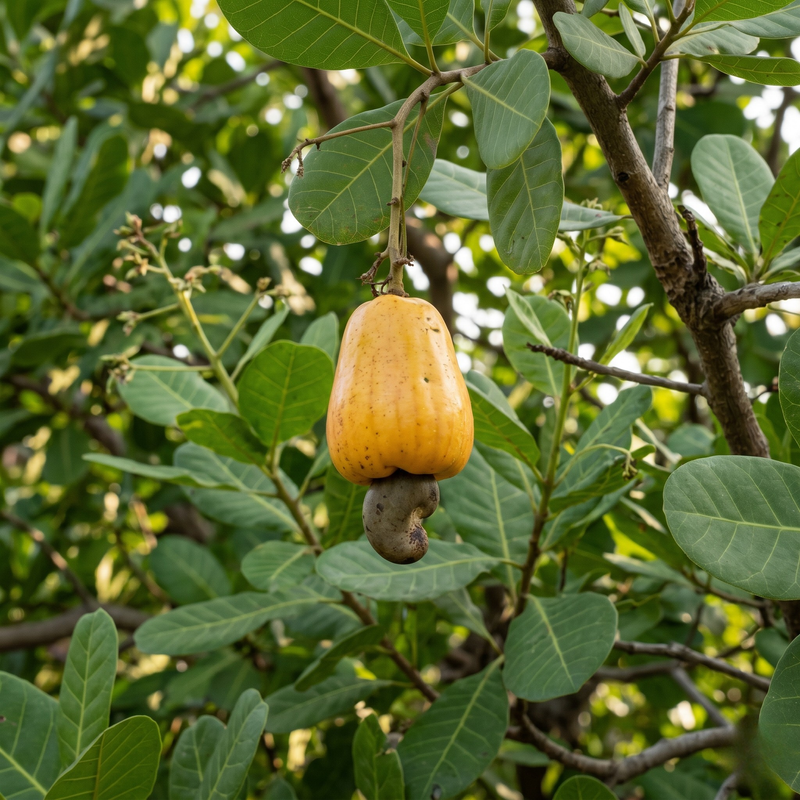
They grow outside their fruit. Their "apple" is not the part most people eat. Their shell contains a natural protective substance. They can appear in royal curries, festive sweets, vegan cheeses, creamy sauces, desserts, and premium snacks.
For centuries, people have valued cashews because they refuse to fit neatly into any single category. Their story is one of adaptation, creativity, and surprising versatility.
If nature were redesigning foods from scratch, it might struggle to invent something as unusual as the cashew.
Unlike most fruits, where the seed develops safely inside, the cashew seed grows outside the fruit, hanging beneath a swollen structure known as the cashew apple. The edible kernel is protected by a sophisticated shell that requires careful processing before it reaches our kitchens. Even the fruit itself tells an unusual story—it is widely enjoyed in some regions yet remains largely unknown in others.
The cashew's journey is equally remarkable. Native to Brazil, it travelled across oceans with Portuguese explorers, found a second home in India, and eventually became one of the world's most versatile foods. Today, cashews appear everywhere from traditional Indian sweets to modern plant-based cuisine.
Few foods have broken as many rules—or succeeded because of it.
Discover Fascinating Facts About Cashews
Did you know that cashews aren't actually nuts?
Did you know that every cashew grows outside its fruit?
Did you know that the cashew apple is a fruit that most people never get to taste?
Did you know that cashews originated in Brazil?
Did you know that Portuguese explorers brought cashews to India?
Did you know that Goa helped transform the cashew into an Indian icon?
Did you know that raw cashews cannot be eaten directly from the tree?
Did you know that producing whole cashews requires remarkable skill?
Did you know that cashews became one of India's favourite festive ingredients?
Did you know that cashews helped redefine what a nut can do in the kitchen?
Did you know that cashews naturally contain both copper and magnesium?
Did you know that cashews are often called the "cream of the nut world"?
Did you know that cashews played an important role in the rise of plant-based cuisine?
Did you know that cashew trees can continue producing for decades?
Did you know that India helped make cashews famous worldwide?
Did you know that not all cashews are graded equally?
Did you know that cashews contain mostly unsaturated fats?
Did you know that Vietnam became one of the world's leading cashew processors?
Did you know that cashews are among the most globally travelled foods?
Did you know what cashews are called in different Indian languages?
Few foods challenge expectations as thoroughly as the cashew. It isn't technically a nut. Its seed grows outside the fruit. The fruit itself is edible but rarely seen outside growing regions. The raw seed requires careful processing before it can be enjoyed. Yet despite breaking rule after rule, the cashew has become one of the world's most beloved foods.
From Brazilian coastlines to Goan plantations, from festive Indian sweets to modern plant-based cuisine, the cashew's story is one of adaptation, creativity, and versatility. It reminds us that sometimes the most remarkable things in nature are the ones that refuse to follow convention.
Inspired by what you've discovered?
Explore Nut Story Cashews & Related Products
Cashews
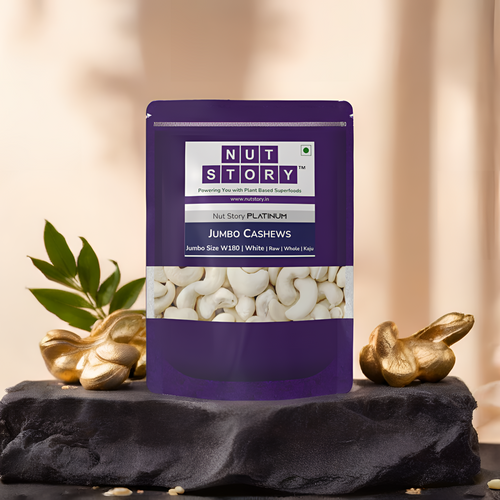
Nut Story Platinum Jumbo Cashews - W180 Grade (The "King Cashew" Original)
₹ 699.00 ₹ 599.003 options
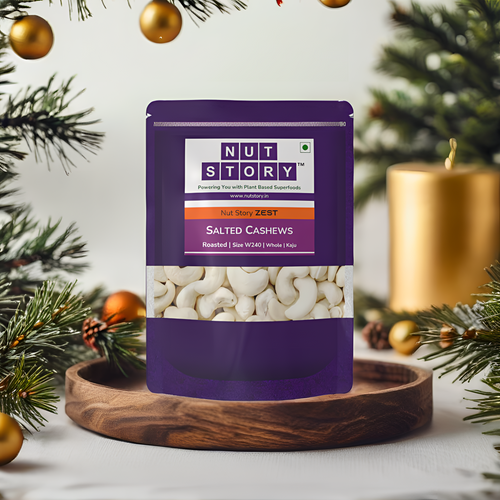
Cashews
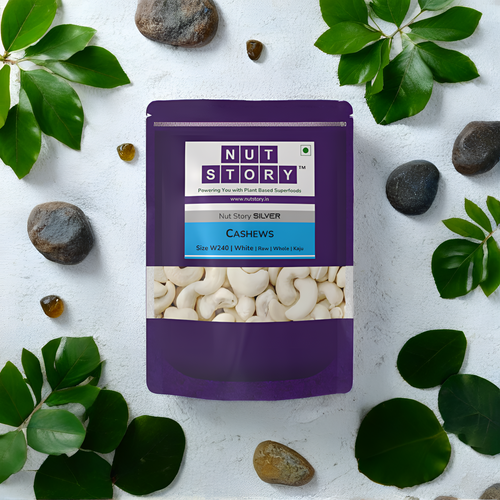
Nut Story Zest Salted Cashews | 🧂 W240 Oven-Roasted | Oil-Free Dry Crisp
₹ 549.00 ₹ 489.003 options
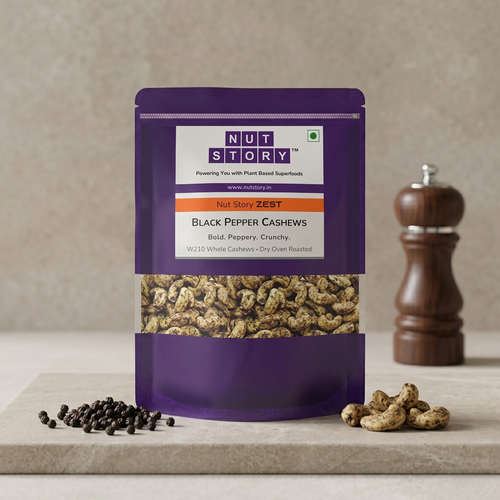
Cashews
Nut Story Zest Black Pepper Cashews | 🌶️ W210 | Bold · Peppery · Crunchy
₹ 599.00 ₹ 549.003 options
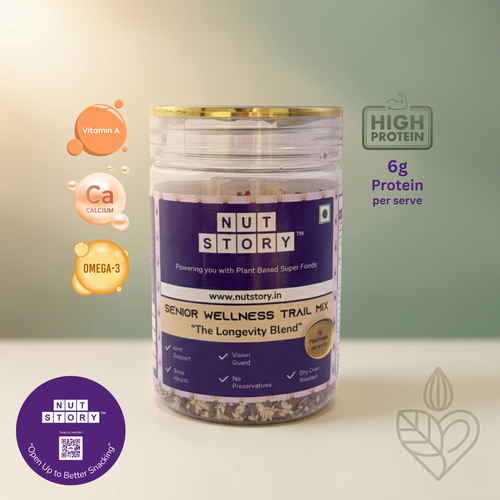
Trail Mix
Nut Story Senior Wellness Trail Mix — 🌿 "The Longevity Blend" | Goji, Flax & Sesame for the Golden Years
₹ 599.00 ₹ 569.002 options
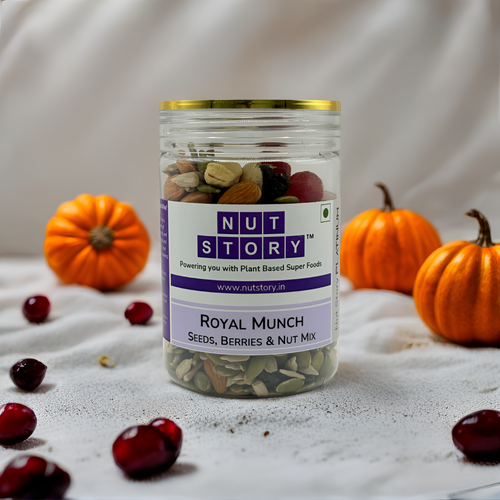
Trail Mix
Nut Story Royal Munch | 👑 Seeds, Berries & Nut Mix | Platinum Trail Mix
₹ 499.00 ₹ 449.002 options
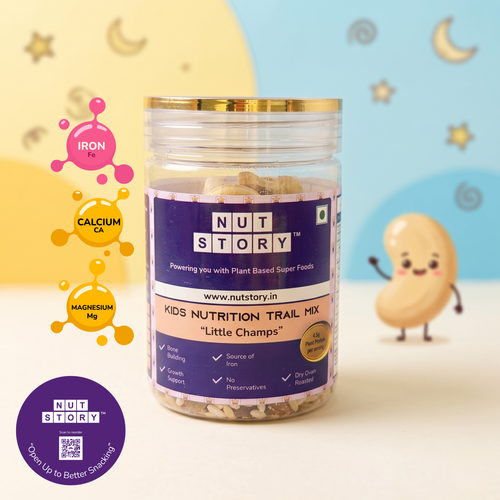
Trail Mix
Nut Story Kids Nutrition Trail Mix — 🌱 "Little Champs" | Simple, Honest, Nourishing
₹ 599.00 ₹ 569.002 options
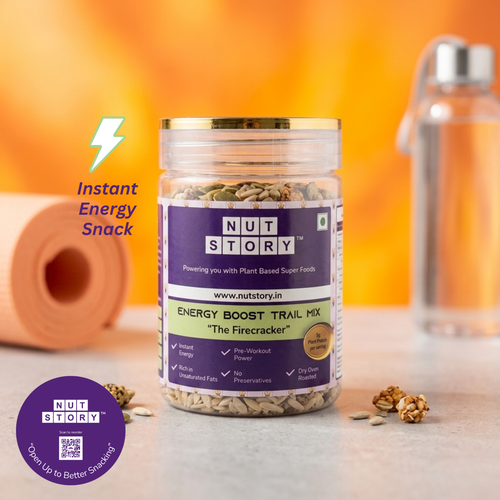
Trail Mix
Nut Story Energy Boost Trail Mix — ⚡ "The Firecracker" | Natural Energy, No Crash
₹ 599.00 ₹ 569.002 options
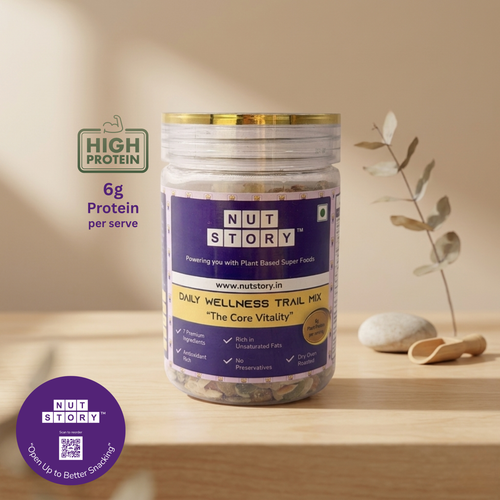
Trail Mix
Nut Story Daily Wellness Trail Mix — 🛡️ "The Core Vitality" | 7-Superfood Blend
₹ 599.00 ₹ 569.002 options