
Sesame Seeds
The Ancient Seed
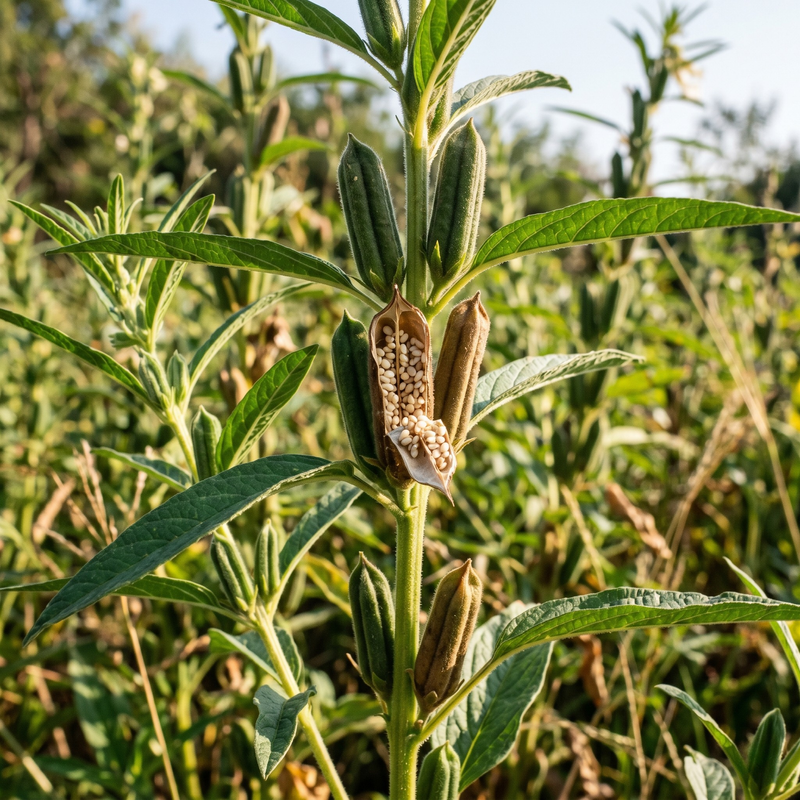
Did you know that the famous phrase "Open Sesame" may have been inspired by sesame pods?
Sesame seeds may be the world's most quietly powerful ingredient. They have fed civilizations for thousands of years, inspired global folklore, provided one of humanity's oldest cooking oils, and found their way onto foods from Tokyo to Tehran to Texas. In India, they carry deep cultural meaning—from the Makar Sankranti festival to daily cooking to ancient Ayurvedic traditions. The sesame seed's story is one of extraordinary endurance in a very small package.
Thousands of years of human civilization, and sesame has been there through all of it.
One of the oldest cultivated oilseeds, sesame grew in the farms of ancient Mesopotamia, fuelled trade routes across the ancient world, appeared in the tombs of Egyptian pharaohs, and inspired one of literature's most famous phrases.
In India, sesame—known as Til—carries deep cultural resonance. From Makar Sankranti's Tilgul tradition to Ayurvedic practices to everyday cooking across the subcontinent, sesame is both a staple and a symbol.
Today, sesame seeds top burgers in New York, garnish ramen in Tokyo, form the base of hummus in Beirut, and sweeten festivals in Mumbai. Few ingredients have achieved such genuine global ubiquity.
Discover Fascinating Facts About Sesame Seeds
Did you know that the famous phrase "Open Sesame" may have been inspired by sesame pods?
Did you know that sesame is one of the oldest cultivated oilseed crops in the world?
Did you know that sesame seeds grow inside pods?
Did you know that ancient civilizations prized sesame oil?
Did you know that sesame appears in cuisines across multiple continents?
Did you know that sesame seeds helped fuel ancient trade?
Did you know that India is one of the world's oldest sesame-cultivating cultures?
Did you know that sesame seeds are known as "Til" across much of India?
Did you know that sesame plays a special role during Makar Sankranti?
Did you know that sesame seeds come in different colours?
Did you know that black sesame seeds are considered especially prized in Asian cuisines?
Did you know that sesame oil may be one of the oldest cooking oils in the world?
Did you know that sesame seeds are naturally cholesterol-free?
Did you know that tahini is made from sesame seeds?
Did you know that sesame appears on foods around the world?
Did you know that sesame plants are surprisingly resilient?
Did you know that sesame seeds have inspired folklore for centuries?
Did you know that a sesame pod can contain dozens of seeds?
Did you know that sesame symbolizes prosperity in many cultures?
Did you know what sesame seeds are called in different Indian languages?
From ancient Mesopotamia to modern kitchens, from the story of Ali Baba to the celebration of Makar Sankranti, sesame seeds have been a constant companion to human civilization.
Their story is one of quiet, enduring greatness—a tiny seed that has nourished, inspired, and connected people across thousands of years and dozens of cultures.
More than a seed, sesame is a reminder that some of the world's most profound contributions come in the smallest packages.
Inspired by what you've discovered?
Explore Nut Story Sesame Seeds & Related Products
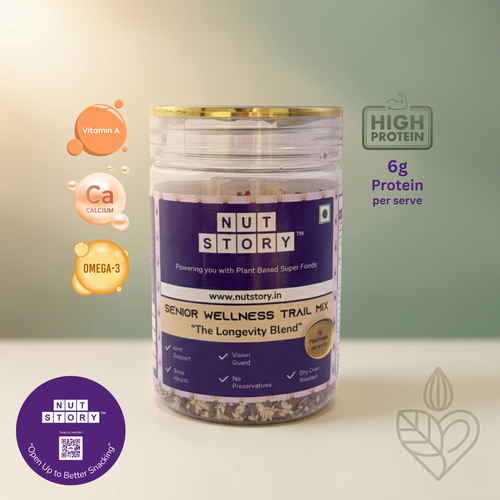
Trail Mix
Nut Story Senior Wellness Trail Mix — 🌿 "The Longevity Blend" | Goji, Flax & Sesame for the Golden Years
₹ 599.00 ₹ 569.002 options